
Home – Home Infusion

Home Infusion Therapy allows patients to receive intravenous medications in the comfort and safety of their own homes. This service is designed for individuals who require ongoing infusion treatments but wish to maintain their normal daily routines without frequent hospital or clinic visits. Whether self-administered or managed by a family member or caregiver, home infusion provides a convenient, effective alternative to inpatient care. Our team delivers the necessary medications, supplies, and training to ensure a smooth and successful treatment experience in your home environment.
Home infusion therapy allows you to receive treatment in the comfort and safety of your own home. The medication can be self-administered by the patient, a family member, or a caregiver. Our facility will provide you with the necessary medication and supplies to ensure a smooth and effective treatment process.
Many medications are more effective when they are infused because they are delivered directly into the bloodstream.
Here are some key things to know before starting your therapy:
How Can Infusions Be Given?
To receive medication at home, you must have one of the following access devices: PICC line, Midline, Tunneled Central line, or Port-a-Cath. These devices allow medication to be administered directly into the vein for effective treatment.
How Long Does an Infusion Take?
The duration of an infusion depends on the type of medication, dosage, and the device used for administration. It can take as little as a few minutes or as long as several hours.
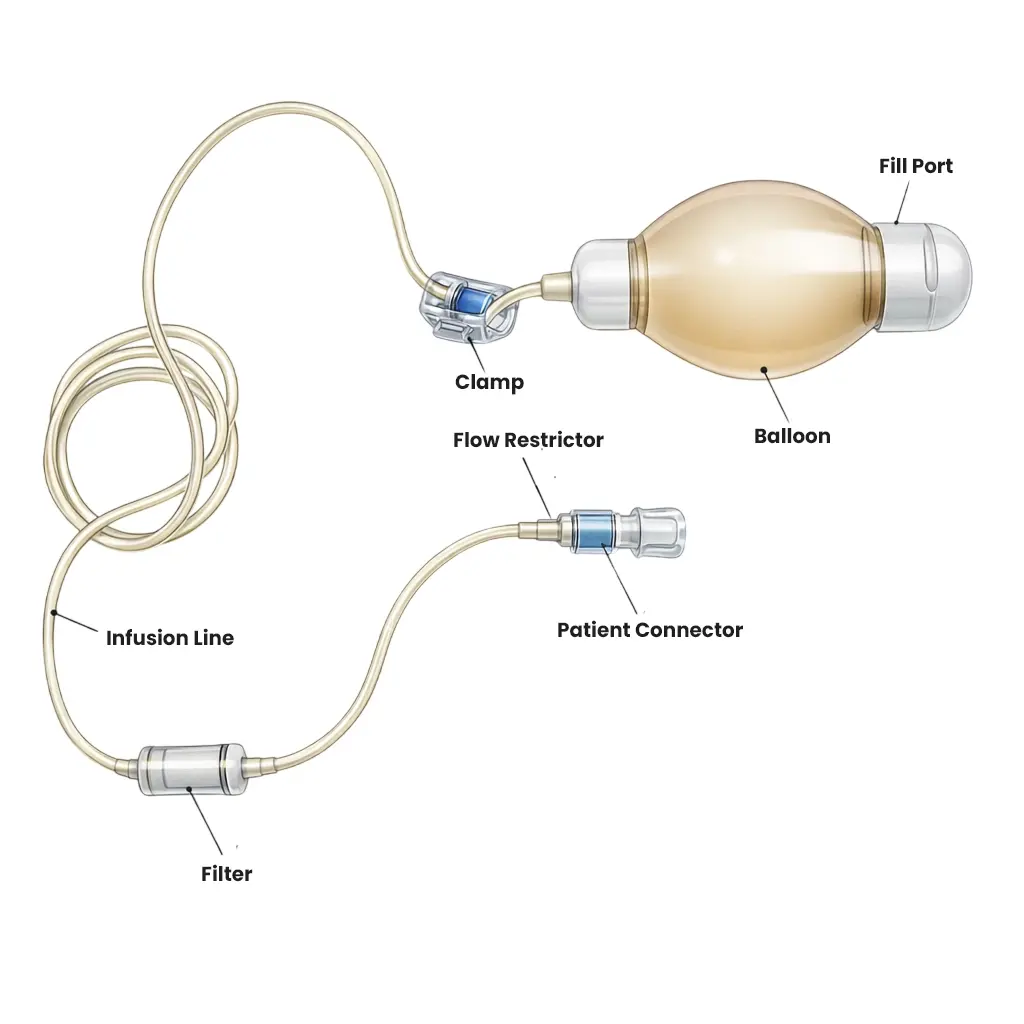
Will I Have to Operate Equipment?
For certain treatments, you may need to use medical equipment. Your nurse will provide clear, easy-to-follow instructions and ensure you feel comfortable with the process before starting your treatment
Auf der Suche nach einem zuverlässigen Online-Casino kommt man an lalabet casino mittlerweile kaum vorbei. Eine Hall of Champions würdigt die jeweils erfolgreichsten Spieler des Monats. Match-Boni mit bis zu 200 Prozent auf die Einzahlung sind in Sonderaktionen verfügbar. Apple Pay und Google Pay decken die mobile Zahlungswelt umfassend ab. Eine umfangreiche FAQ-Sektion beantwortet die meisten gängigen Fragen sofort. Auto-Roulette-Tische ermöglichen schnelle Spielrunden ohne menschlichen Dealer. Die mobile Spielauswahl ist mit der Desktop-Variante identisch und umfasst alle verfügbaren Titel. Die Plattform veröffentlicht jährliche Transparenzberichte über ihre Auszahlungsquoten. Selbst während Werbeaktionen bleibt die Oberfläche aufgeräumt und übersichtlich. Animierte 3D-Slots mit hochwertigen Grafiken setzen visuell neue Maßstäbe. Das Engagement der Betreiber spiegelt sich in der hohen Qualität sämtlicher Komponenten wider.
We strive to ensure patient safety while undergoing treatment. Anticipate that your first dose will be administered in our office under RN supervision. If you develop a drug reaction, we are equipped to ensure your safety in our office. While at home, if you feel you are having a drug reaction, immediately STOP the infusion and contact your Infusion RN. Depending on the symptoms reported, you will be directed to go to the Emergency Room.
If at home you notice that the insertion site of the catheter is oozing or bleeding, call your Infusion Nurse for guidance. We will likely be sending you to the hospital for evaluation of your line.
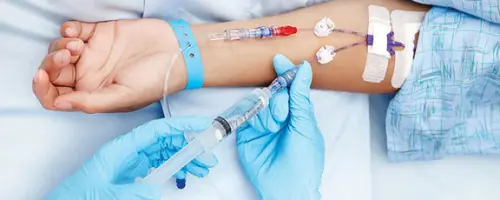
The routine care of a PICC line involve weekly flushing and dressing changes. However, if the PICC is used for administering drugs or fluids, it must be flushed immediately after completing the infusion. Additionally, security devices such as Statlock or Griplock should be changed once every four weeks.
Avoid strenuous activity or heavy lifting for the first 48 hours after the line is placed. Never use scissors to remove tape or dressing from around the line. Always secure the line to your arm with tape to prevent it from snagging on objects. When showering, cover the area with plastic to keep the dressing dry.
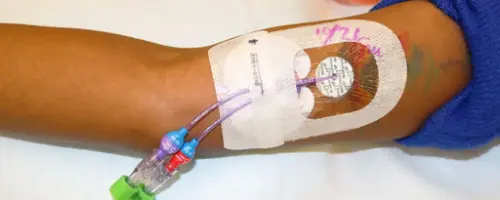
You should flush your PICC line as often as directed by your healthcare provider. In some cases, it may need to be flushed after each use. If the PICC line is not in active use, flushing may be required once a day or, in some instances, once a week.
Placing body pillows on either side of you can help prevent shifting at night and reduce discomfort. It is generally best to sleep on your back to avoid friction or movement around the port, but some individuals may find sleeping on their side more comfortable.
Center for Medicare and Medicaid Services(CMS) 1-877-267-2323 cms.gov
Home infusion therapy empowers patients to reclaim their lives while receiving essential medical treatment. By eliminating the need for frequent hospital visits, patients experience less disruption to work, family, and daily activities. Studies show that patients often heal faster and more comfortably in their own homes. With proper training, reliable supplies, and expert nursing support just a phone call away, home infusion offers both safety and freedom allowing you to focus on recovery surrounded by the people and places you love.