
Advanced Wound Care
Home – Advanced Wound Care
Service Overview
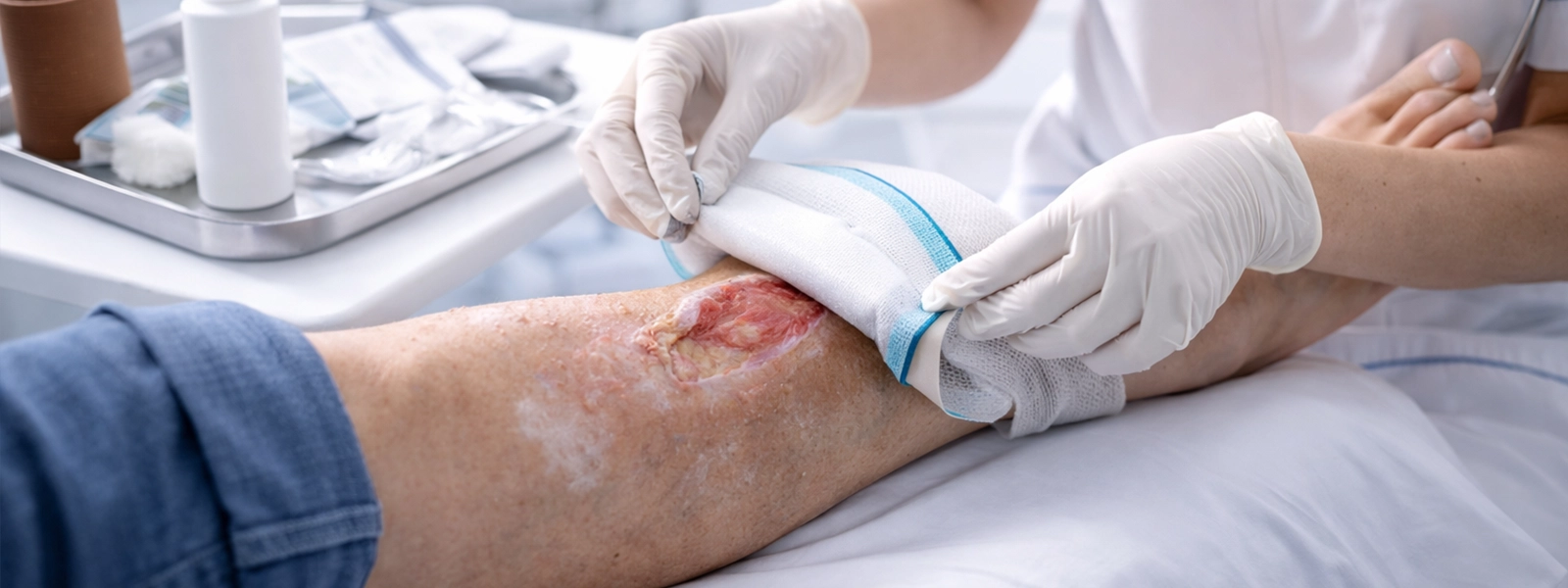
Proper wound healing requires oxygen, nutrients, white blood cells, and regenerative cells such as platelets and stem cells. When blood flow is compromised or underlying health conditions exist, wounds can become slow to heal, increasing the risk of infection and serious complications. At TamCare Infusion Center, we provide advanced wound care services for patients with severe, infected, or non-healing wounds. Our specialized approach includes thorough evaluation, personalized treatment planning, and access to cutting-edge therapies designed to promote healing, prevent infection, and restore quality of life.
What's Included
- Comprehensive Wound Assessment
- Wound Debridement
- Compression Therapy
- Hyperbaric Oxygen Therapy
- Insurance Benefits Review
- Schedule Coordination
Establishment of a consistent wound care schedule with follow-up appointments to ensure continuity of care.
Ideal For
Patients with complex, chronic, or slow-healing wounds requiring specialized medical intervention to prevent complications and promote recovery.
- Individuals with diabetic foot ulcers
- Patients with vascular ulcers or venous stasis wounds
- Those with pressure ulcers (bedsores)
- Patients recovering from surgical wounds
- Those with lymphedema-related wounds
- Patients with autoimmune disease-related wounds
Why It Matters
Wounds that do not heal properly can worsen over time, leading to serious complications including cellulitis, osteomyelitis, sepsis, and even amputation. Early intervention by a wound care specialist is essential to identify underlying issues, prevent infection, and promote efficient healing. At TamCare Infusion Center, we combine advanced treatment modalities with personalized care to address the root causes of delayed healing and help patients achieve the best possible outcomes.
Frequently Asked Questions
Negative pressure wound therapy (NPWT) is an advanced wound care treatment that uses a vacuum dressing to promote healing in acute or chronic wounds. The vacuum applies gentle suction to the wound bed, drawing out excess fluid, reducing swelling, and stimulating the growth of new tissue.
The frequency of dressing changes depends on the type and severity of your wound, as well as the treatment being used. Your wound care team will establish a schedule tailored to your specific needs, which may range from daily to weekly visits.
Signs of infection to watch for include increased redness, swelling, warmth around the wound, foul odor, drainage, or fever. If you experience any of these symptoms, contact your wound care team immediately.
Healing time varies depending on wound size, location, underlying health conditions, and treatment approach. Your team will monitor progress closely and adjust treatment as needed to optimize healing.