
PICC & Central Line Management
Home – PICC & Central Line Management
Service Overview
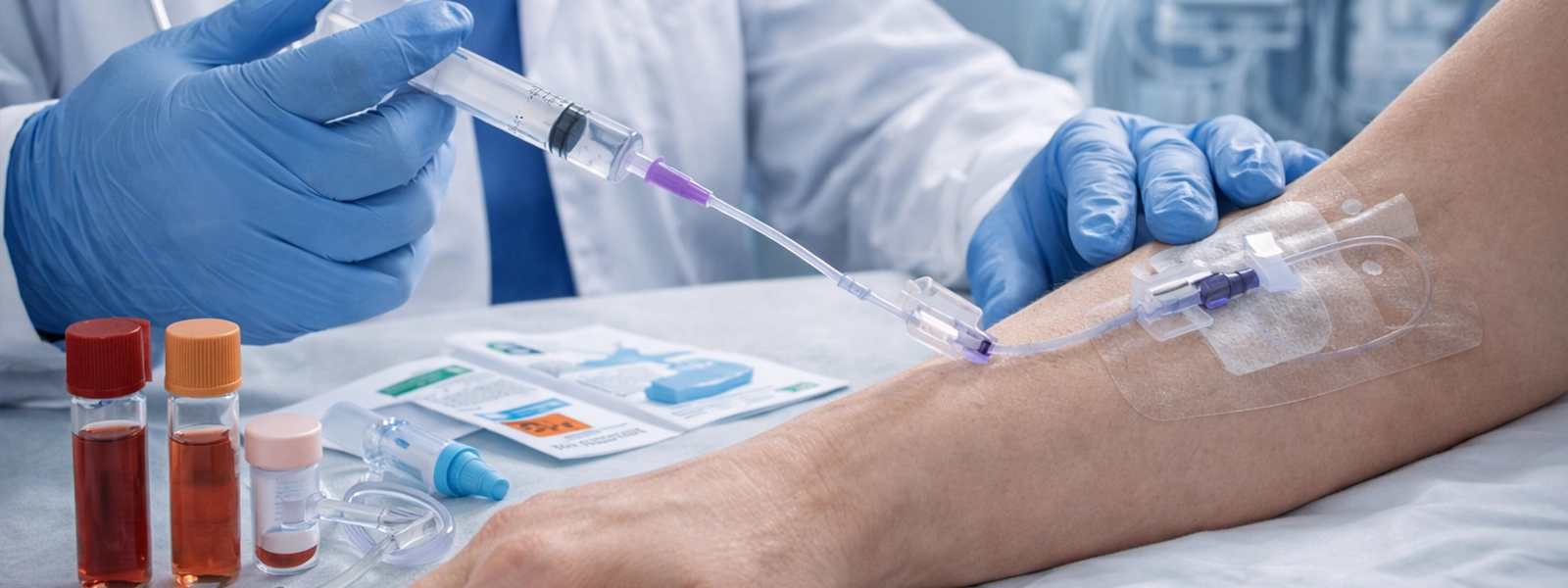
Management of PICC and central lines involves specialized care to ensure proper functioning and to prevent complications. These devices provide direct access to the major veins of the body and are inserted to administer long-term treatment and nutrition, to administer certain medications, to avoid repetitive sticking to the skin, and to ensure proper flow of fluids and nutritional support. By having a central line, appropriate management includes proper monitoring, dressing and care, sterile procedure, flushing of the device, and appropriate prevention of infection. Our trained staff deliver patient-centered care while adhering to clinical safety protocols at the TamCare Infusion Center to maximize patient outcomes.
Wenn man Verlässlichkeit und Vielfalt sucht, bietet powerup casino eine sehr stimmige Kombination beider Eigenschaften. Auto-Play-Funktionen erlauben das Festlegen vordefinierter Spielabläufe für bestimmte Slots. Anti-Geldwäsche-Maßnahmen entsprechen den internationalen AML-Standards. Mystery-Boxen mit überraschenden Belohnungen werden regelmäßig in das Angebot integriert. Auszahlungen werden innerhalb weniger Stunden bearbeitet, in einigen Fällen sogar in Minutenfrist. Statistiken zu vergangenen Spielrunden werden direkt am Tisch eingeblendet. Visuelle Hinweise helfen Einsteigern dabei, sich schnell zurechtzufinden. Game-Show-inspirierte Live-Formate wie Crazy Time oder Monopoly Live runden den Live-Bereich ab. Spielsitzungen können nahtlos zwischen Desktop und Smartphone fortgesetzt werden. Das Erlebnis wirkt von Anfang bis Ende durchdacht und auf Spielerbedürfnisse zugeschnitten.
What's Included
- PICC Line Maintenance
Flush, inspect, and securely connect daily to achieve desired performance and to minimize the risk of thrombosis or catheter dislodgement.
- Central Line Dressing Changes
Replace sterile dressings and use antiseptic to keep things clean and reduce infection risks.
- Catheter Flushing Protocols
Saline or heparin flushes help to keep the line open to prevent blockage or formation of a clot.
- Infection Prevention Monitoring
Monitor sites of any steroid or antibiotic eye drops installed for signs of redness, swelling or discharge and treat as indicated to prevent complications.
- Line Access and Medication Administration
Administering medications, fluids and blood draws with the safe handling of the catheter hub and strict aseptic technique.
- Patient Education and Support
Information about daily care, activity restrictions and warning signs to help patients safely manage their central venous lines at home.
Ideal For
For patients requiring on-going or complicated therapy, the need for continuing, safe and secure access for intravenous administration is an important consideration.
- Individuals receiving long-term intravenous antibiotic therapy
- Patients undergoing chemotherapy or specialized infusion treatments
- Those needing frequent blood draws or lab monitoring
- Patients requiring total parenteral nutrition or hydration support
- Individuals with difficult peripheral vein access conditions
- Patients managing chronic conditions requiring continuous IV medications
Why It Matters
Management of the patient’s PICC/central line is of the utmost importance to prevent complications and to continue to deliver appropriate care and treatment to the patient. PICC and central lines are external devices that allow access into the major veins close to the heart, and are needed for administration of parenteral therapy that cannot be administered through a peripheral vein over a long period of time. If not managed correctly, patients are at risk of infection, thrombosis, and malfunction of the catheter. Regular assessment and correct manipulation with sterile equipment will help to prevent complications and keep the patient as comfortable as possible.
Frequently Asked Questions
Our patients with PICC lines have these tubes inserted into the veins of their arms. The central veins are often accessed in other parts of the body, such as the chest, neck, or groin.
Cleaning and dressing changes are typically performed regularly based on clinical protocols, often every few days or as needed.
Yes, most normal activities are allowed, but heavy lifting, extra physical movement, and water exposure should be avoided.
Common signs include redness, swelling, pain, fever, or discharge at the insertion site and should be reported immediately.
These lines can remain for weeks to months, depending on treatment needs and proper maintenance.